
Stena Line
Stena Line operates the Kiel - Gothenburg ferry route, one of the most important connections between Germany and Sweden. Here you'll find out more about one of Europe's largest ferry companies.
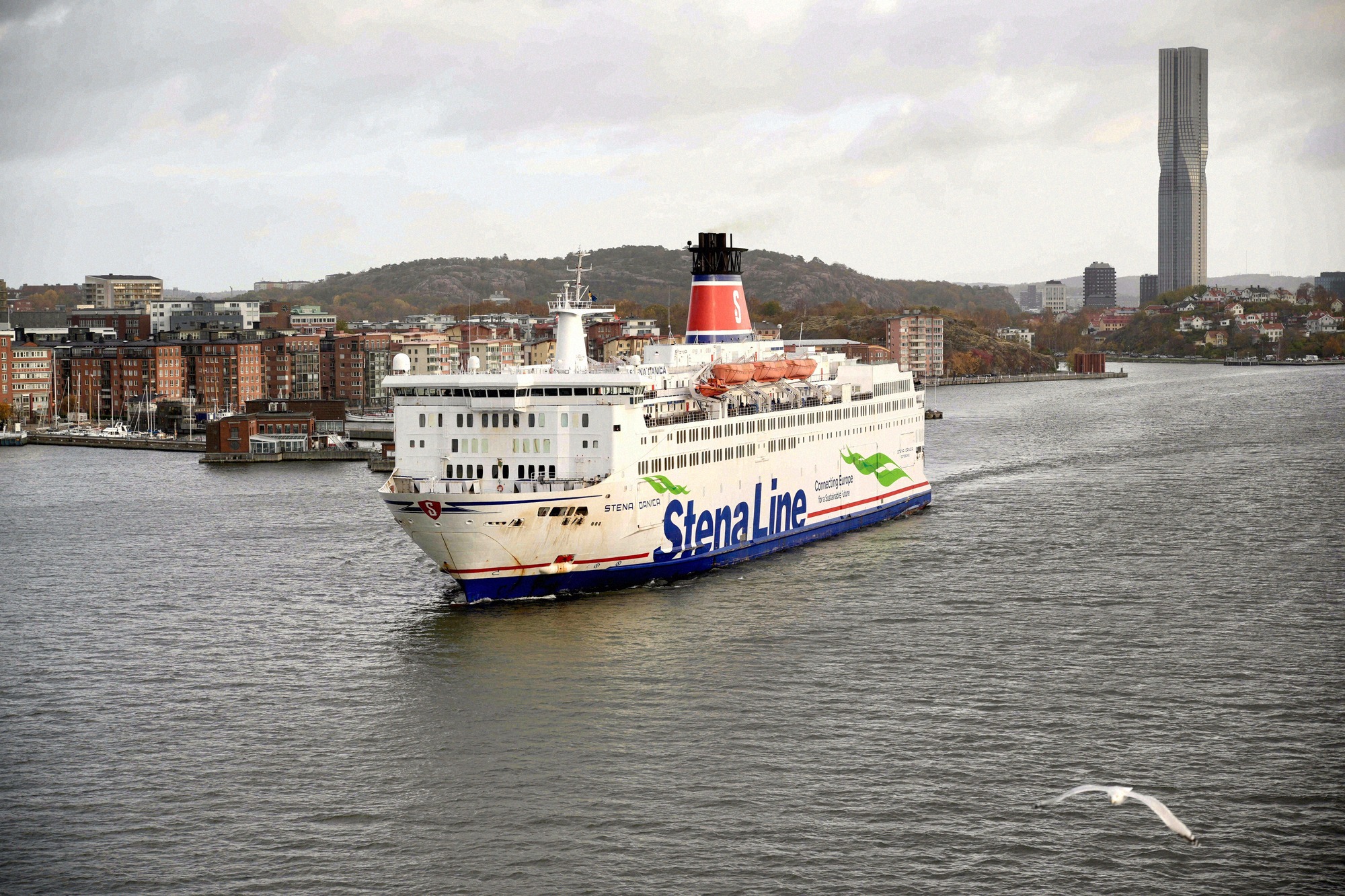
About Stena Line
Table of Contents
About Stena Line
Stena Line is a Swedish ferry company headquartered in Gothenburg and one of the largest ferry operators in the world. Founded in 1962, the company employs around 6,200 people from nearly 50 nationalities across eleven countries and carries more than 6 million passengers a year. Stena Line AB is a subsidiary of Stena AB and remains privately owned by the founding family to this day.
The story began in 1939, when Sten Allan Olsson, the son of a ship's captain from the island of Donsö in the Gothenburg archipelago, founded a scrap-metal business at the age of 23. In 1946 he acquired his first ship and named it after his son, Dan. The actual Stena Line was formed in 1962 with the takeover of Skagenlinjen and the first ferry route between Gothenburg and Skagen in Denmark.
From a Sweden route to a European network
Over the following decades the company grew through acquisitions and new routes. The Kiel - Gothenburg route was added in 1967, followed in 1981 by the merger with its largest rival, Sessan Line. The 1990 takeover of Sealink British Ferries doubled the company's size, and through the 1990s Stena Line pioneered the HSS (High-Speed Sea Service) fast ferries.
Today the fleet comprises 40 to 44 ferries (the figure varies by source and point in time), sailing 19 to 20 routes between eleven countries: Sweden, Denmark, Germany, Poland, Latvia, the Netherlands, the United Kingdom, Northern Ireland, Ireland, Spain and Morocco. The fleet consists of RoPax, combi and freight ferries. Alongside its passengers, Stena Line transports more than 2 million freight units and 1.8 million vehicles every year.
Stena Line to Sweden
For your trip to Sweden, the Kiel - Gothenburg connection is the one that matters, and Stena Line has operated it since 1967. The overnight ferry leaves Kiel in the early evening and reaches Gothenburg the next morning, including the passage through the Gothenburg archipelago. Because the crossing runs overnight, a cabin is always included in the booking. Stena Line also runs the daytime Frederikshavn - Gothenburg route across the Kattegat, which suits a shorter onward journey from Denmark.
Across the Baltic, Stena Line also brings you to Sweden from Poland and the Baltics. Gdynia - Karlskrona connects the Bay of Gdańsk with Blekinge in around ten hours, with up to three departures a day, both by day and overnight. From Latvia, Ventspils - Nynäshamn sails daily into the Stockholm area; the crossing takes between eight and a half and ten and a half hours, depending on the departure.
FAQ Stena Line
Frequently asked questions
Questions and answers about Stena Line and the ferry route to Sweden
Which ferry route to Sweden does Stena Line operate? +
From Germany, the direct route Kiel - Gothenburg is the one that matters. Stena Line has operated this route since 1967, connecting northern Germany overnight with Sweden's west coast. From Poland, Stena Line sails Gdynia - Karlskrona, and from Latvia Ventspils - Nynäshamn.
When was Stena Line founded? +
The company was founded in 1962, when Sten Allan Olsson took over Skagenlinjen and opened the first ferry route between Gothenburg and Skagen in Denmark. Stena Line remains privately owned by the founding family to this day.
How big is Stena Line? +
Stena Line is one of the largest ferry companies in the world. Around 6,200 employees, a fleet of 40 to 44 ships and 19 to 20 routes connect eleven countries. Over 6 million passengers travel with the company every year.
Can I bring a car or motorhome? +
Yes. On the Kiel - Gothenburg route, large RoPax ferries carry cars, motorhomes and foot passengers. Dogs are also welcome on board.