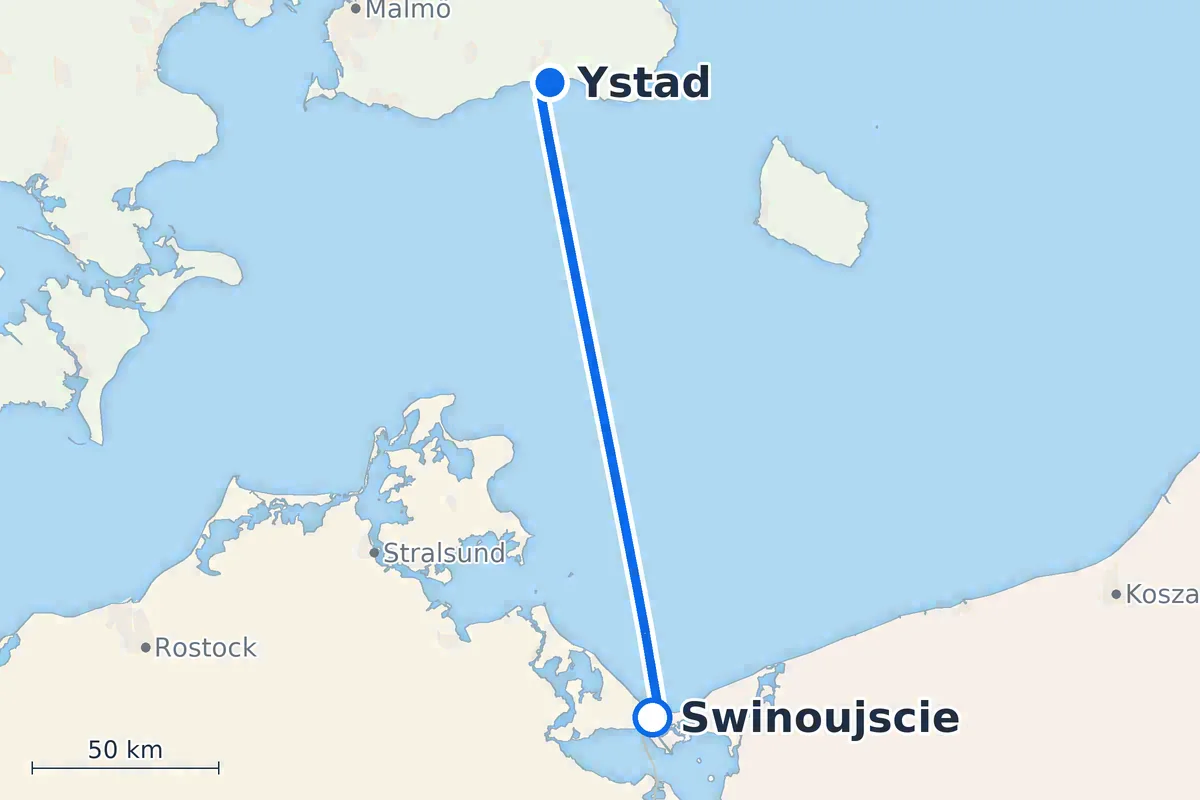
Świnoujście - Ystad
Crossing approx. 7 hours

From
€58
Route comparison
Öresund crossings from Denmark, direct ferries from Germany, every Baltic route to Sweden
Book direct
Our most-booked connections to Sweden.
Prices for a car incl. driver, one way
© OpenStreetMap contributors
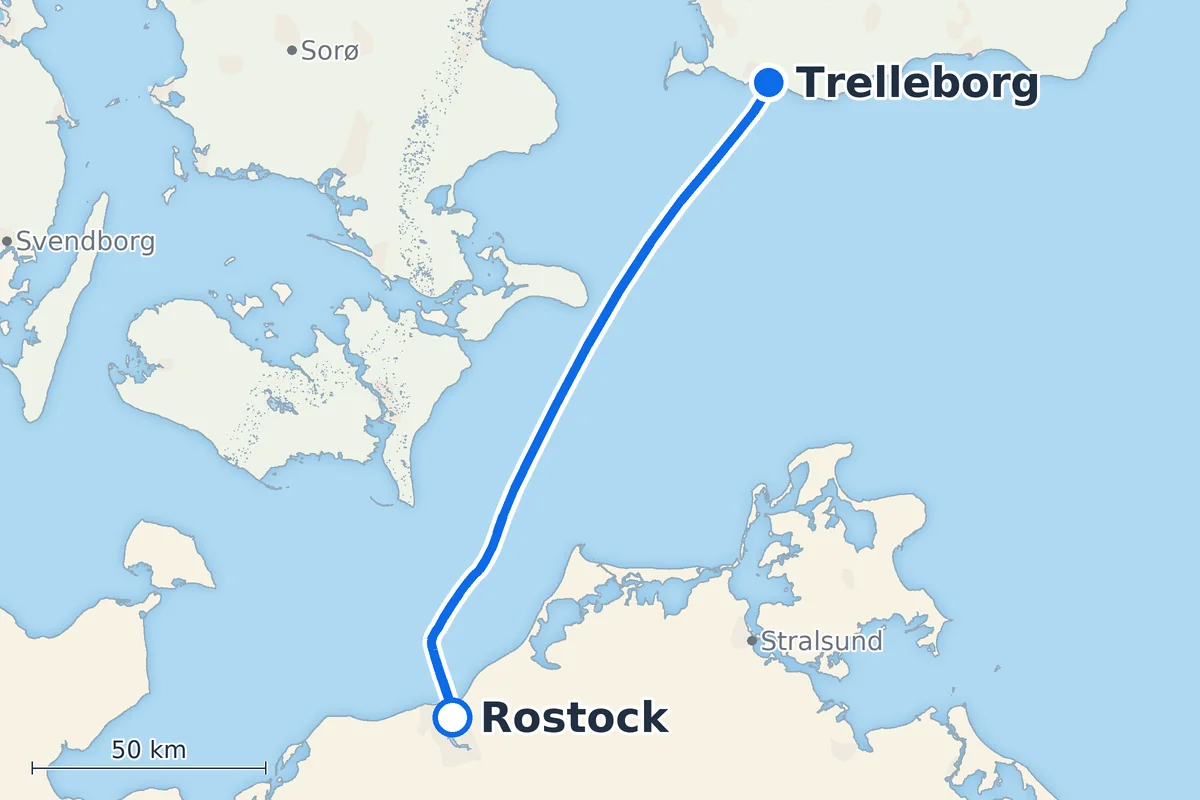
Sweden route map
Interactive map of the ferry routes compared here. Click a route for details.
Route guide
The right ferry connection depends above all on your destination in Sweden and where you start from - Denmark, Germany or further afield. Here's a quick guide:
Operators' prices vary by season, demand, booking date and fare type. Compare several departures using the same vehicle, passenger and cabin details. It's also worth checking alternative routes and factoring in driving distance, fuel and any bridge toll.
Where you arrive in Sweden shapes your onward journey: Trelleborg, Malmö and Ystad are in Skåne in the far south, Gothenburg is on the west coast, and Karlshamn and Karlskrona are in Blekinge on the E22. The ferries from Finland and the Baltics arrive in Stockholm itself or in Nynäshamn and Kapellskär in the wider capital region. Travelling without a car? Check the rail and bus links at your arrival port as well. Location, routes and operators of all 14 ports are compared on Ferry ports in Sweden.
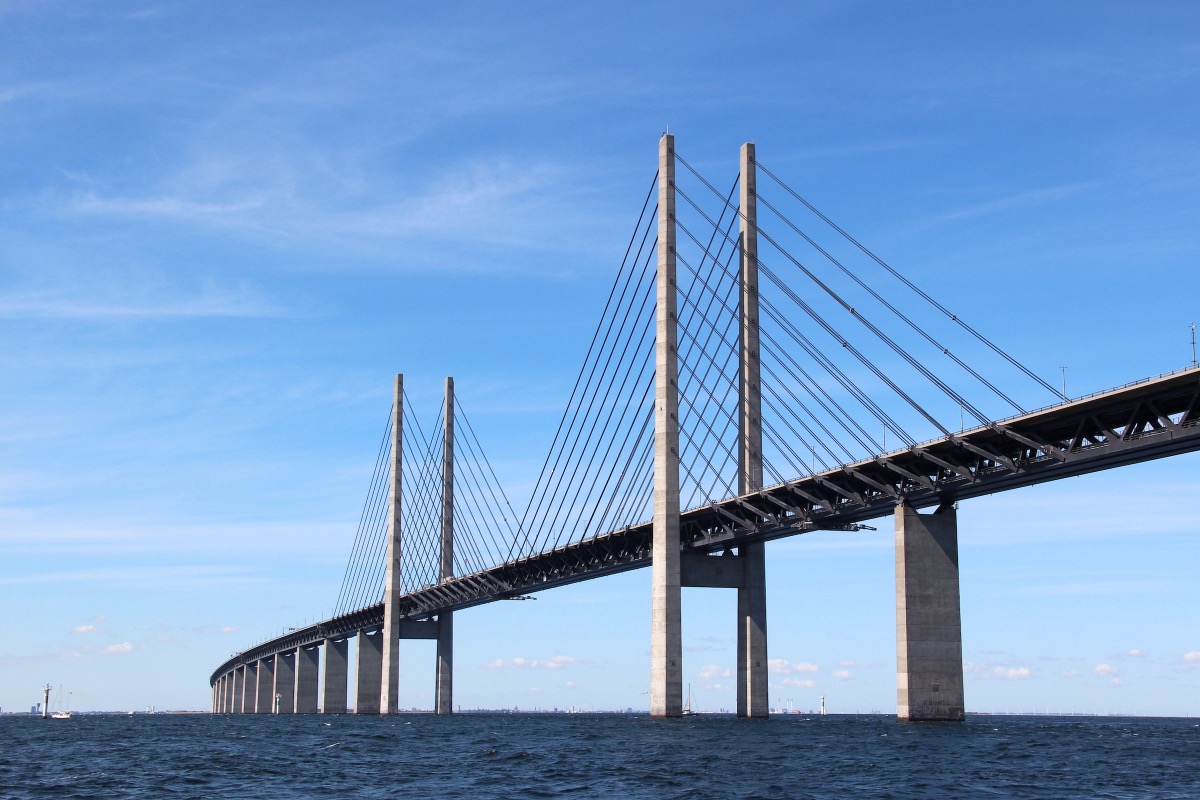
For most travellers from Denmark, the UK and beyond, the way into Sweden is across the Öresund: the 20-minute ferry Helsingør - Helsingborg or the toll Öresund Bridge from Copenhagen to Malmö. From Germany, the route via Denmark combines a short ferry crossing with stretches by road. Scandlines also offers a combined ticket that covers both the ferry crossing and the Öresund Bridge on a single ticket - ideal for a seamless trip to Sweden.
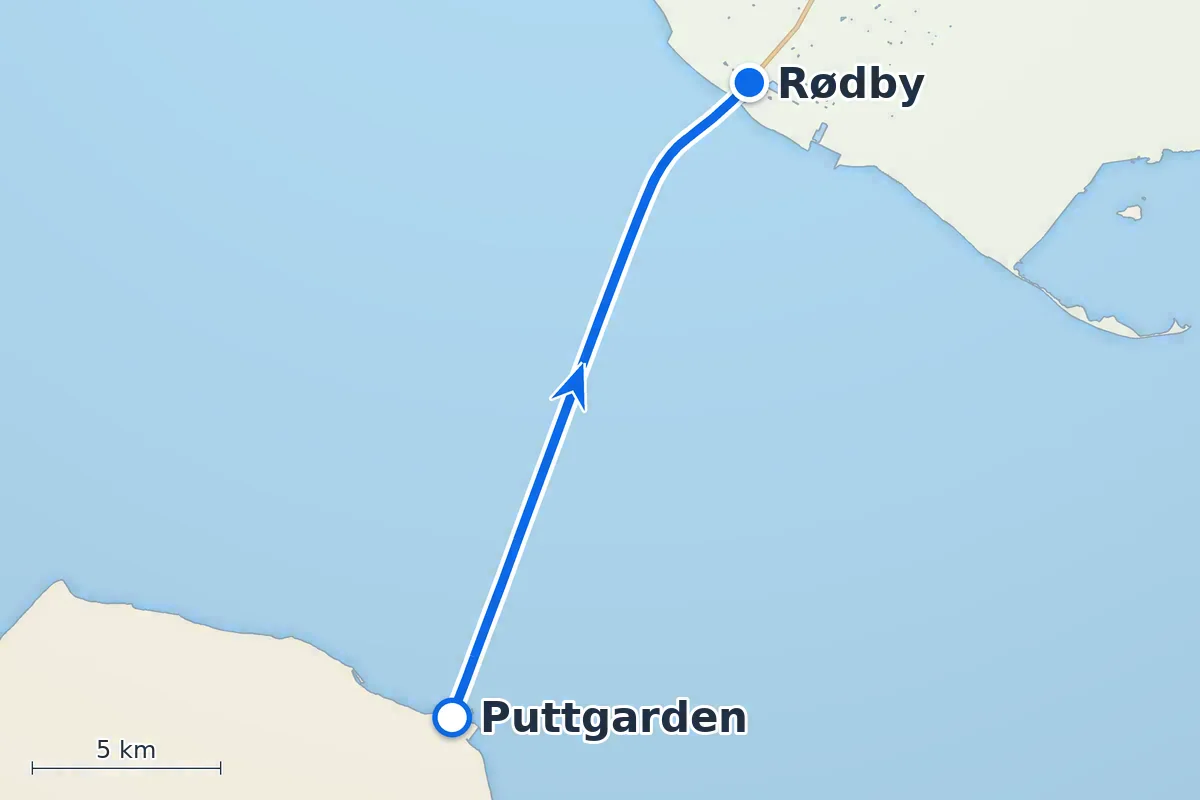
The classic Vogelfluglinie (Bird Flight Line) connects the German island of Fehmarn with the Danish island of Lolland in only about 45 minutes. From Rødby it's roughly a 2-hour drive to Copenhagen, where you then cross the toll Öresund Bridge into Malmö. Alternatively, about 60 km north of Copenhagen, you can take the ferry from Helsingør to Helsingborg - well worth it if your destination lies further north in Sweden.
The ferry from Rostock to Gedser on Falster is the alternative to the Vogelfluglinie for travellers from eastern Germany. The crossing takes about 2 hours, after which you again choose between the Öresund Bridge and the Helsingør - Helsingborg ferry.
If you'd rather skip the drive through Denmark, Germany has three ferry ports with direct connections to Sweden: Kiel, Travemünde (near Lübeck) and Rostock. Depending on your starting point and your destination in Sweden, different routes make sense - here's an overview of the most popular connections:
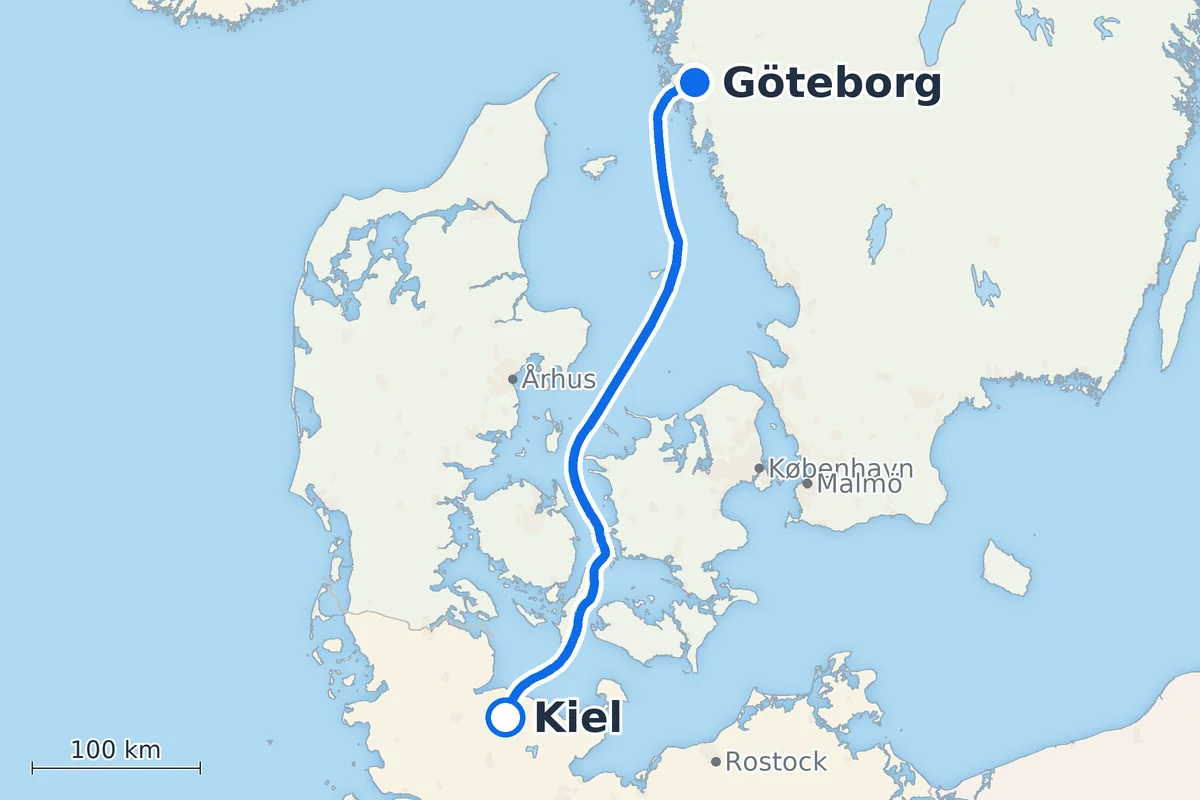
The Stena Line route from Kiel to Gothenburg is the northernmost direct connection and one of the most popular ferry routes to Sweden. It's ideal if you're heading to Gothenburg, Stockholm or even northern Sweden and want to avoid a long drive. The ship departs Kiel daily at around 17:45 and reaches Gothenburg early the next morning - so you spend a relaxed night in your cabin on board and save on a hotel stay. Gothenburg makes an excellent base for exploring western and central Sweden.
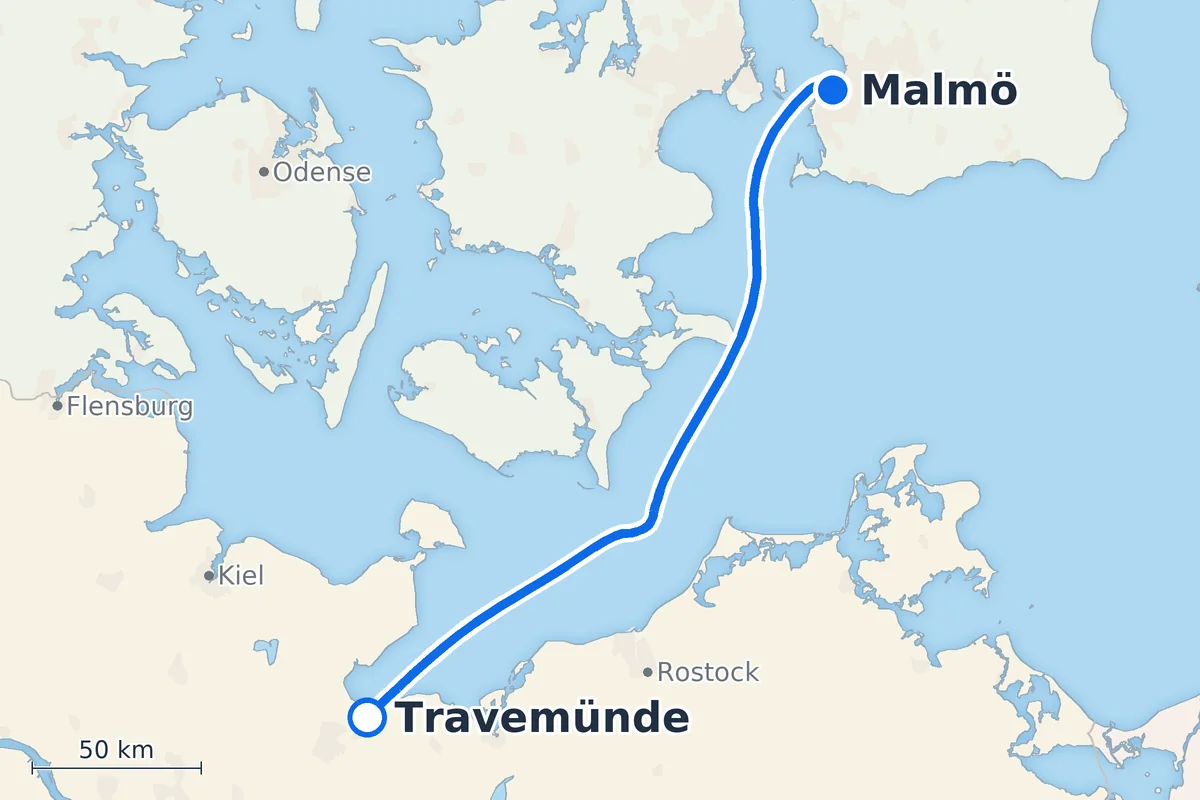
From Travemünde you reach Trelleborg at the southern tip of Sweden (Skåne region). This route is especially convenient if you're travelling from the Hamburg area or northern Germany. The connection runs several times a day, with departures both during the day and overnight. Daytime sailings don't require a cabin, which keeps the crossing cheaper; cabins are available on overnight sailings. Trelleborg is the gateway to southern Sweden, with motorways continuing on towards Stockholm or along the west coast to Gothenburg.
As an alternative to the Trelleborg route, there's a direct connection to Malmö. This route runs up to three times a day and gets you straight to Sweden's third-largest city in about 9 hours. Both daytime and evening departures are on offer - on the overnight ferry you can sleep in a cabin and arrive in Malmö well rested in the morning. This route is ideal if your destination is in the Skåne region or you want to start right in the Öresund area.
If you're travelling from Berlin or eastern Germany generally, Rostock is the ideal departure port. The route to Trelleborg runs several times a day. As with the Travemünde connections, you can choose between cheaper daytime crossings without a cabin and comfortable overnight sailings with a cabin. The crossing takes around 6-7 hours. This route is a particularly convenient way to reach southern Sweden quickly.
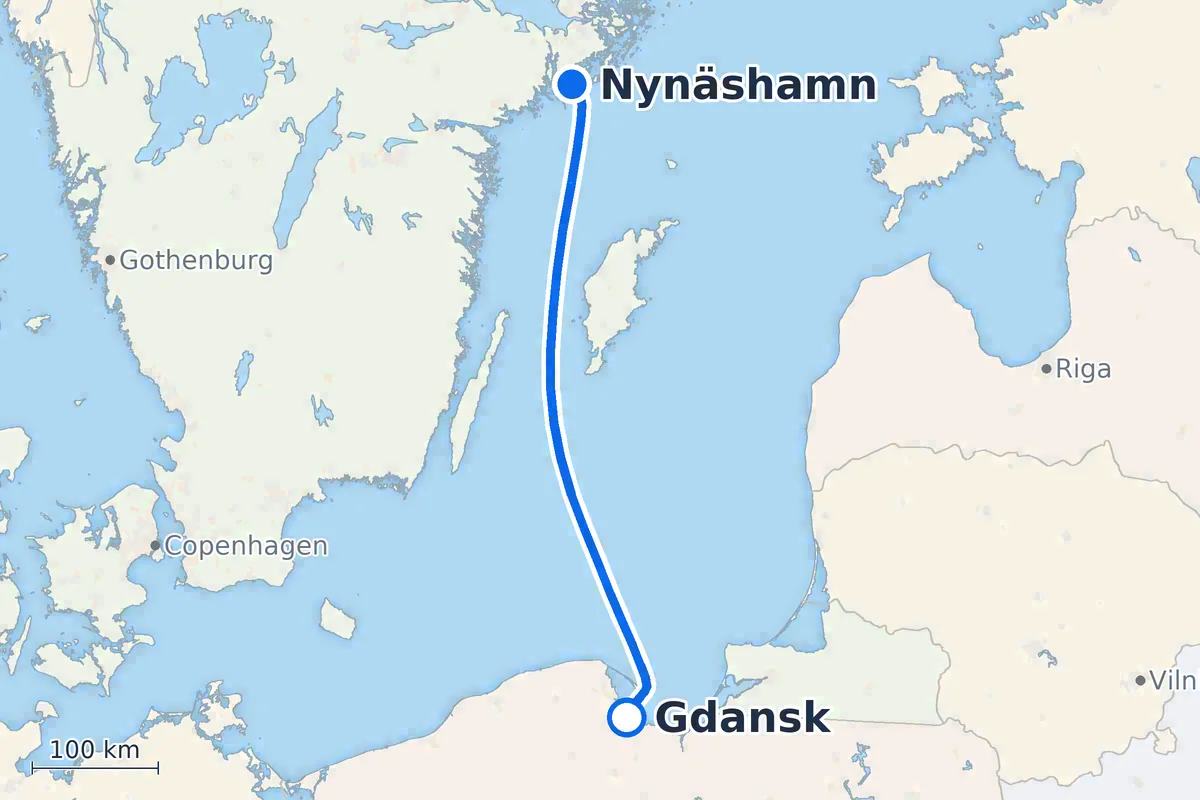
If you're travelling from eastern Germany, the Polish ferry routes are often the shortest and cheapest connections to Sweden. Świnoujście lies right on the border on the island of Usedom, Gdańsk and Gdynia on the Bay of Gdańsk.
A ferry via Norway can make sense if you're heading to central Sweden or want to build Norway into your trip.
The ships of Color Line make the Kiel - Oslo route a travel experience in its own right. The daily crossing is also marketed as a mini-cruise, and the onboard comfort and facilities match that billing. The ship departs Kiel in the afternoon and reaches Oslo the following morning. This route costs more than the direct ferries to southern Sweden, but it saves you a long drive across the country if you're heading to central Sweden (Värmland or Dalarna, for example).
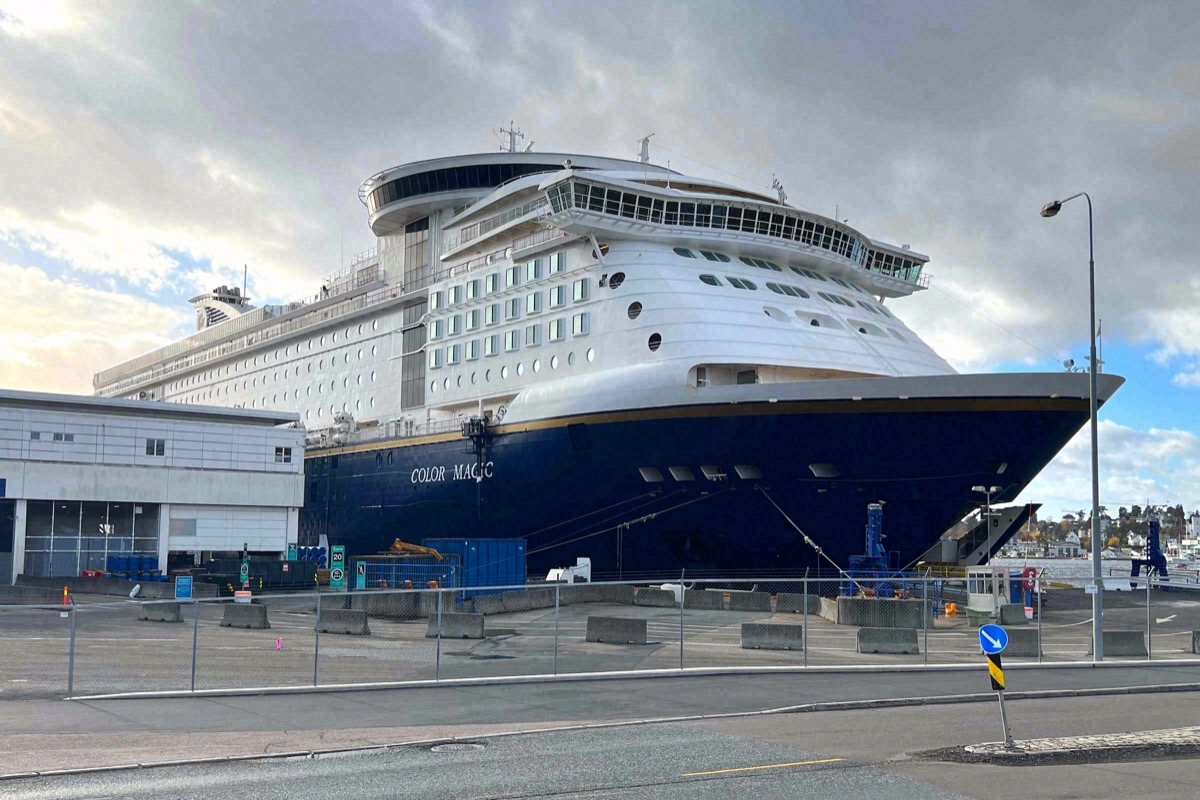
On the short day route across the Oslofjord, Color Line takes you from Sandefjord to Strömstad on Sweden's west coast in around 2.5 hours. Details on the Sandefjord - Strömstad page.
Across the northern Baltic, the big overnight ferries run to Stockholm: from Helsinki and from Turku with Viking Line and Tallink Silja, each calling at Åland along the way. If you'd rather cut down the driving, take one of the short Åland routes instead: from Långnäs or Naantali to Kapellskär with Finnlines, or from Eckerö to Grisslehamn with Eckerö Linjen in 2 hours. Further north, Wasaline connects Vaasa with Umeå across the Kvarken. Everything about this corridor is on Sweden - Finland ferries.
From Estonia, Tallink Silja sails overnight from Tallinn to Stockholm, with DFDS running a seasonal service from Paldiski to Kapellskär. From Latvia, Stena Line connects Ventspils with Nynäshamn; from Lithuania, TT-Line and DFDS sail from Klaipėda to Karlshamn and, less frequently, to Trelleborg. All Baltic routes are overnight ferries with cabins and carry cars and motorhomes.
FAQ: ferries to Sweden
Common questions about routes, crossing times and travelling to Sweden.
The quickest way in is via Denmark, across the Öresund with Helsingør - Helsingborg or the Öresund Bridge, and by ferry on Puttgarden - Rødby, Rostock - Gedser, Frederikshavn - Gothenburg and Rønne - Ystad. From Germany, ferries run direct from Kiel (to Gothenburg), Travemünde (to Trelleborg and Malmö) and Rostock (to Trelleborg). Add to that the connections via Poland from Świnoujście, Gdańsk and Gdynia, via Norway with Kiel - Oslo and Sandefjord - Strömstad, and from Finland, Åland, Estonia, Latvia and Lithuania, for example Helsinki - Stockholm, Turku - Stockholm, Tallinn - Stockholm and Klaipėda - Karlshamn.
That depends a lot on the route. The shortest crossing is the Vogelfluglinie (Bird Flight Line) Puttgarden - Rødby at around 45 minutes, after which you continue overland and across the Öresund Bridge. Direct ferries to southern Sweden take roughly 6 to 9 hours (Rostock or Travemünde to Trelleborg and Malmö), and the Kiel - Gothenburg ferry sails overnight. From Gdańsk to Nynäshamn near Stockholm it's about 18 hours; the overnight ferries from Helsinki and Tallinn to Stockholm take roughly 17 to 18 hours, and Turku - Stockholm a good 11 hours. The shortest crossings to Sweden are Helsingør - Helsingborg at 20 minutes, Rønne - Ystad at 80 minutes and Eckerö - Grisslehamn at 2 hours.
Yes. All ferries to Sweden carry vehicles, from cars to motorhomes and car-and-caravan combinations. The vehicle price depends on length and height, so you enter these dimensions when booking. On overnight ferries such as Kiel - Gothenburg or Świnoujście - Malmö, you'll also book a cabin.
Pets are welcome on ferries to Sweden. On many overnight ferries you can book a dedicated pet cabin, and during the day most operators offer designated pet areas on board. For entry, you'll need a valid EU pet passport and up-to-date vaccination records.
Ferries to Sweden run all year round. During the high season from June to August, popular dates and vehicle spaces often book up early. If you're flexible on dates and departure times, you'll generally find more availability in spring and autumn; the booking window shows the current total price for passengers, vehicle and, if needed, cabin.
Compare the connections and check departure, vehicle and cabin details right in the booking window.